Municipalities of Riyadh Region
Riyadh Region, Saudi Arabia
Architectural Design
In Progress
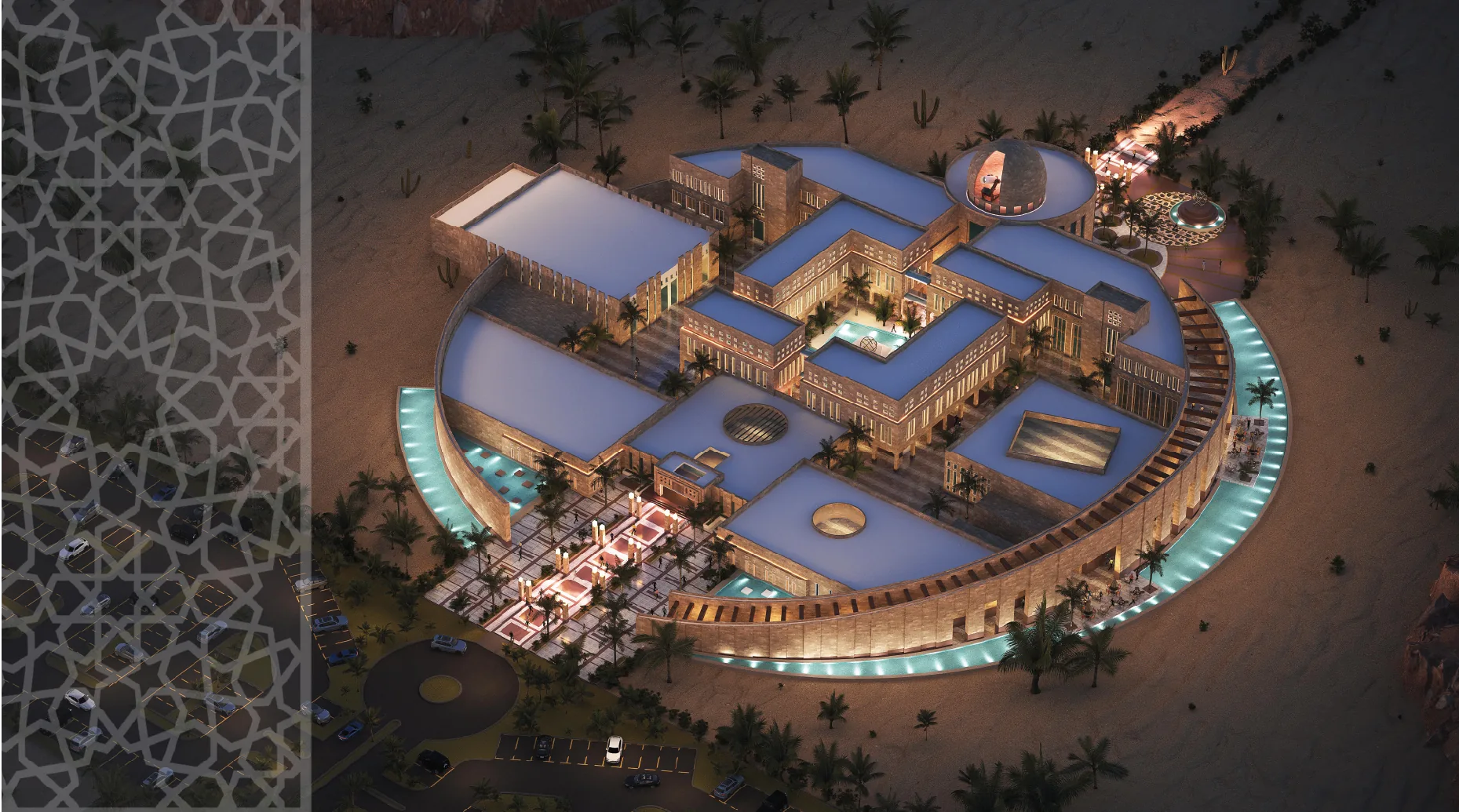
GCLA was commissioned to develop a new generation of astronomical observatories across the municipalities of Riyadh Region, creating destinations where scientific facilities and public astro-tourism share a single architectural setting. Each observatory is conceived as a self-contained desert complex that draws visitors out of the city and into the clear night skies of the region.
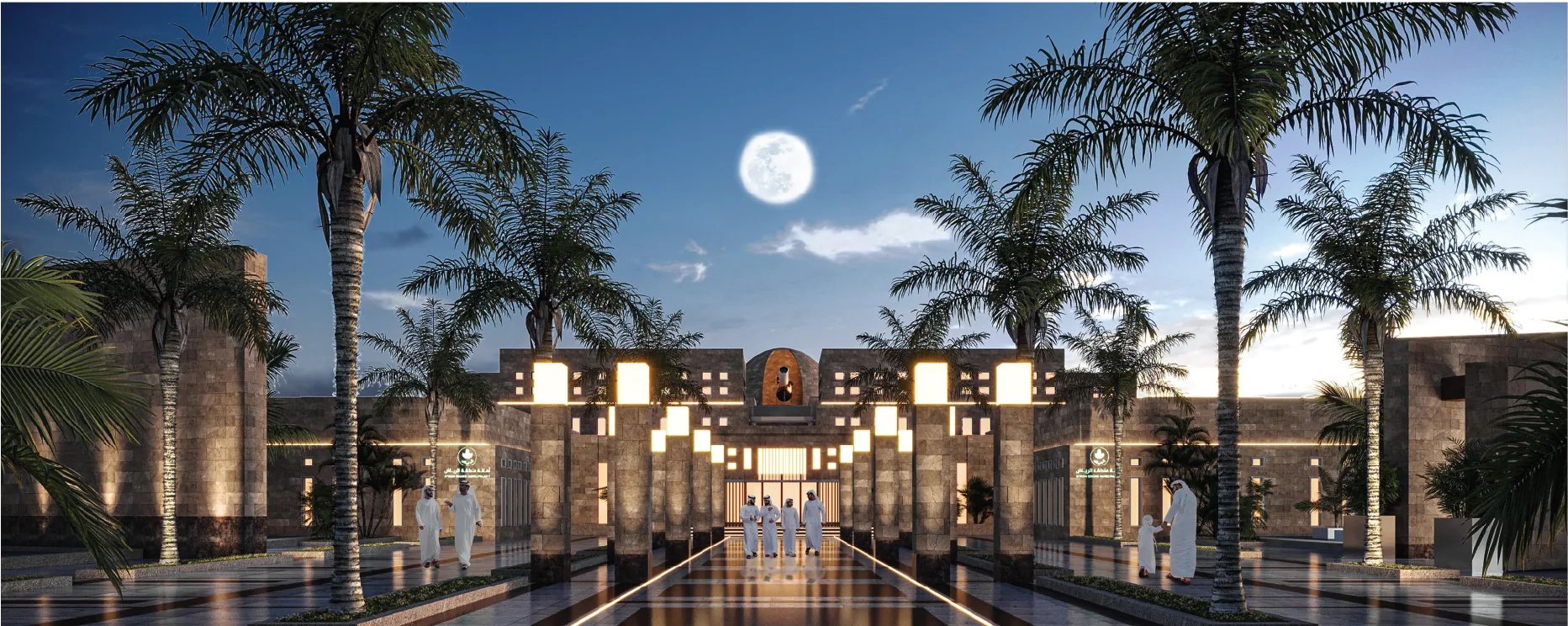
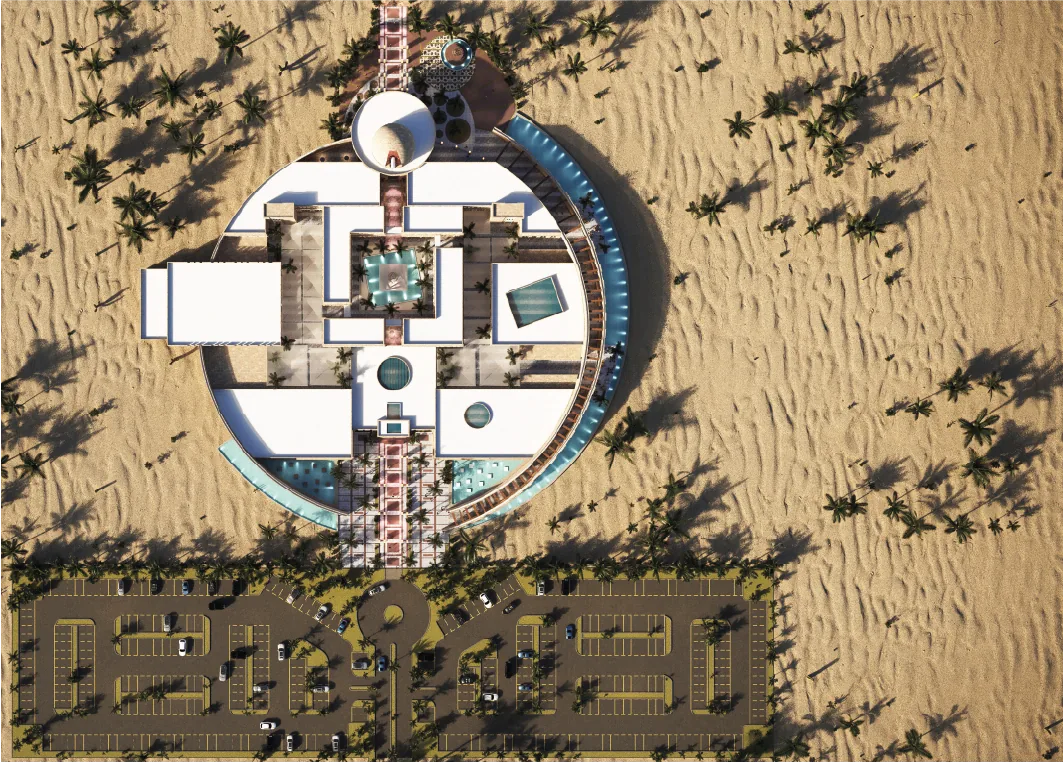
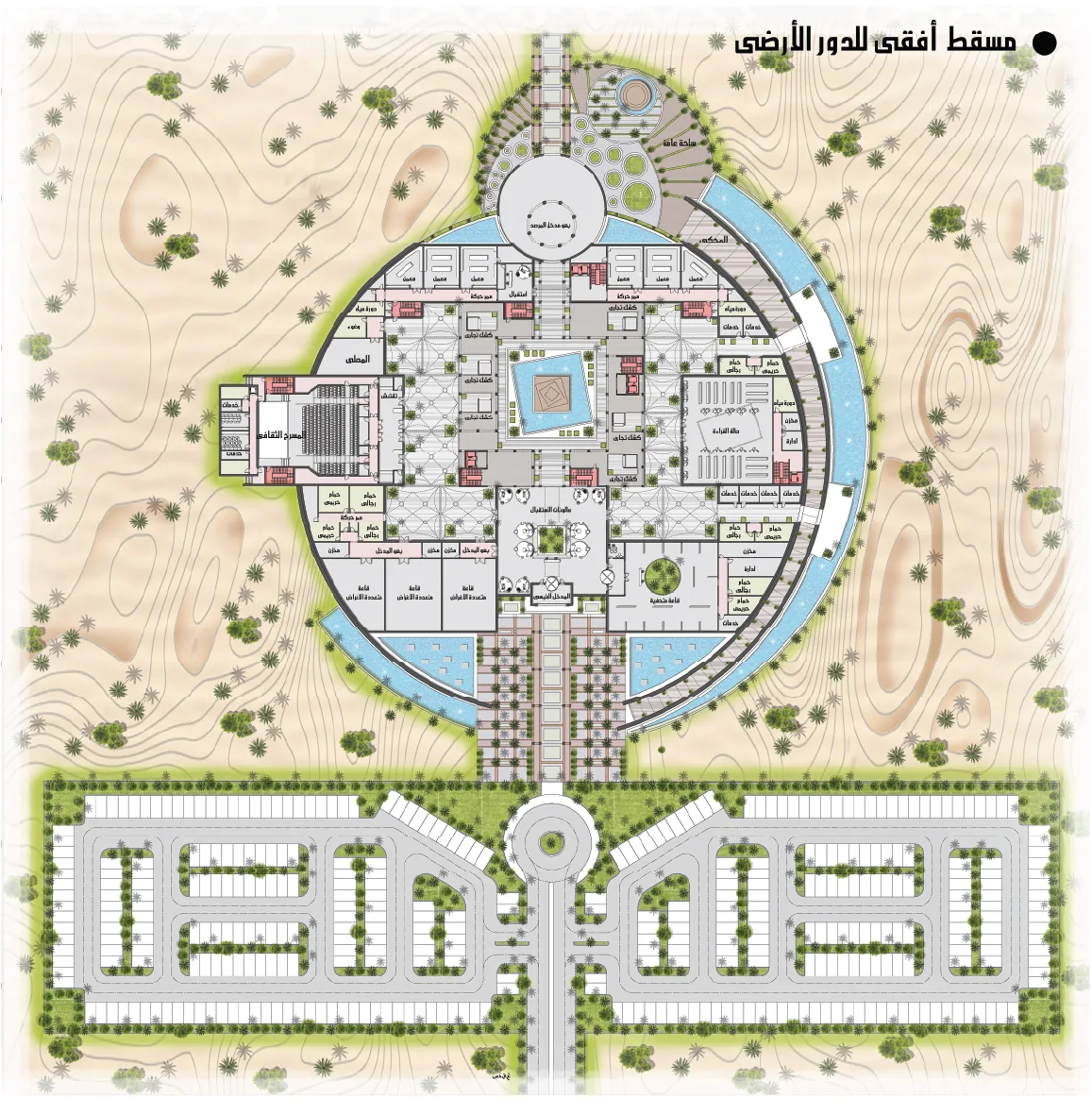
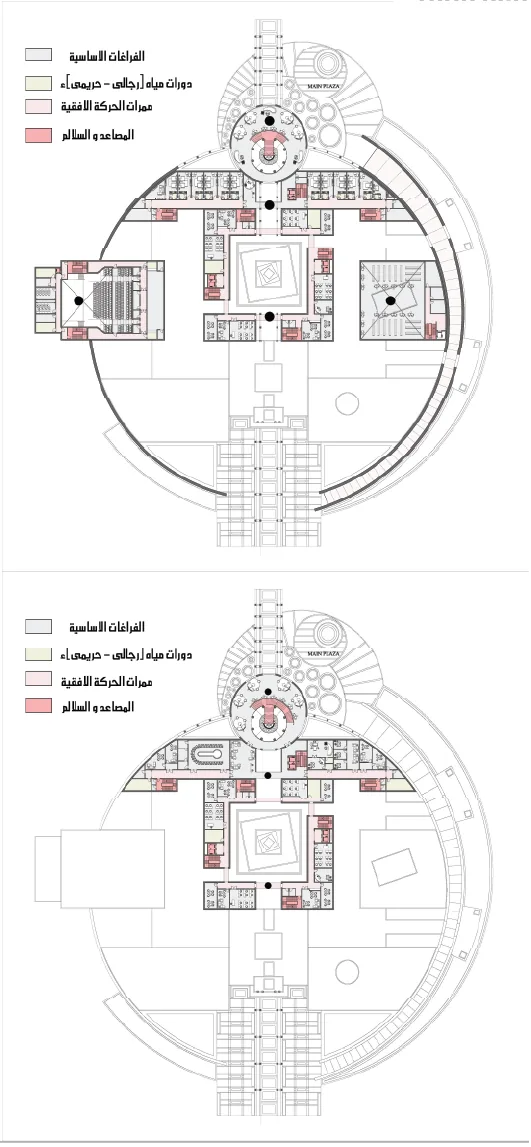
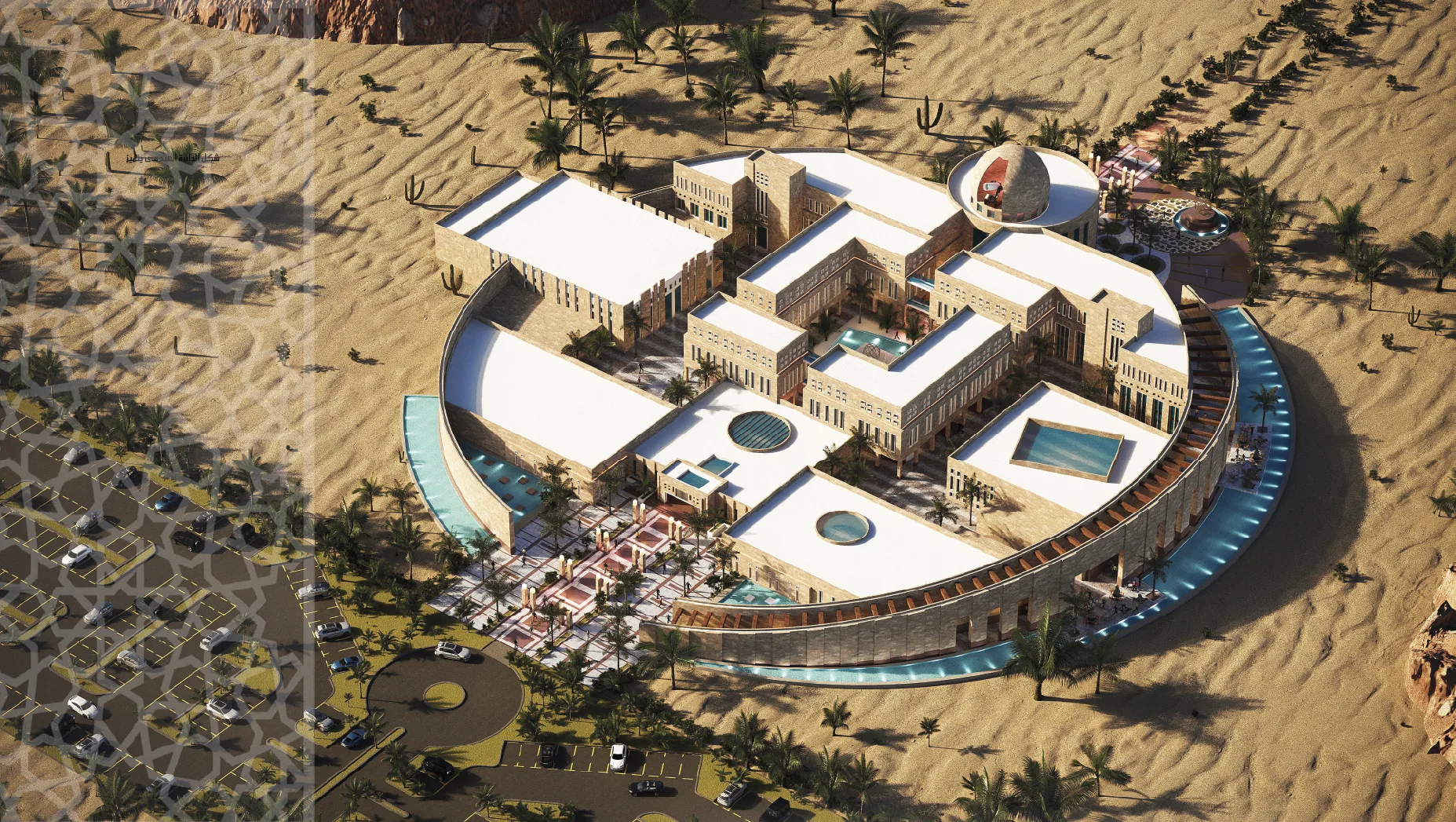
The design organises the programme within a bold circular enclosure that shelters an inner courtyard settlement from wind and sand. Within this ring, laboratories, exhibition halls, an auditorium, hospitality and visitor amenities are arranged around shaded courtyards and water features, while the observatory dome anchors the northern edge of the composition and terminates the main pedestrian spine.
Our team is responsible for:
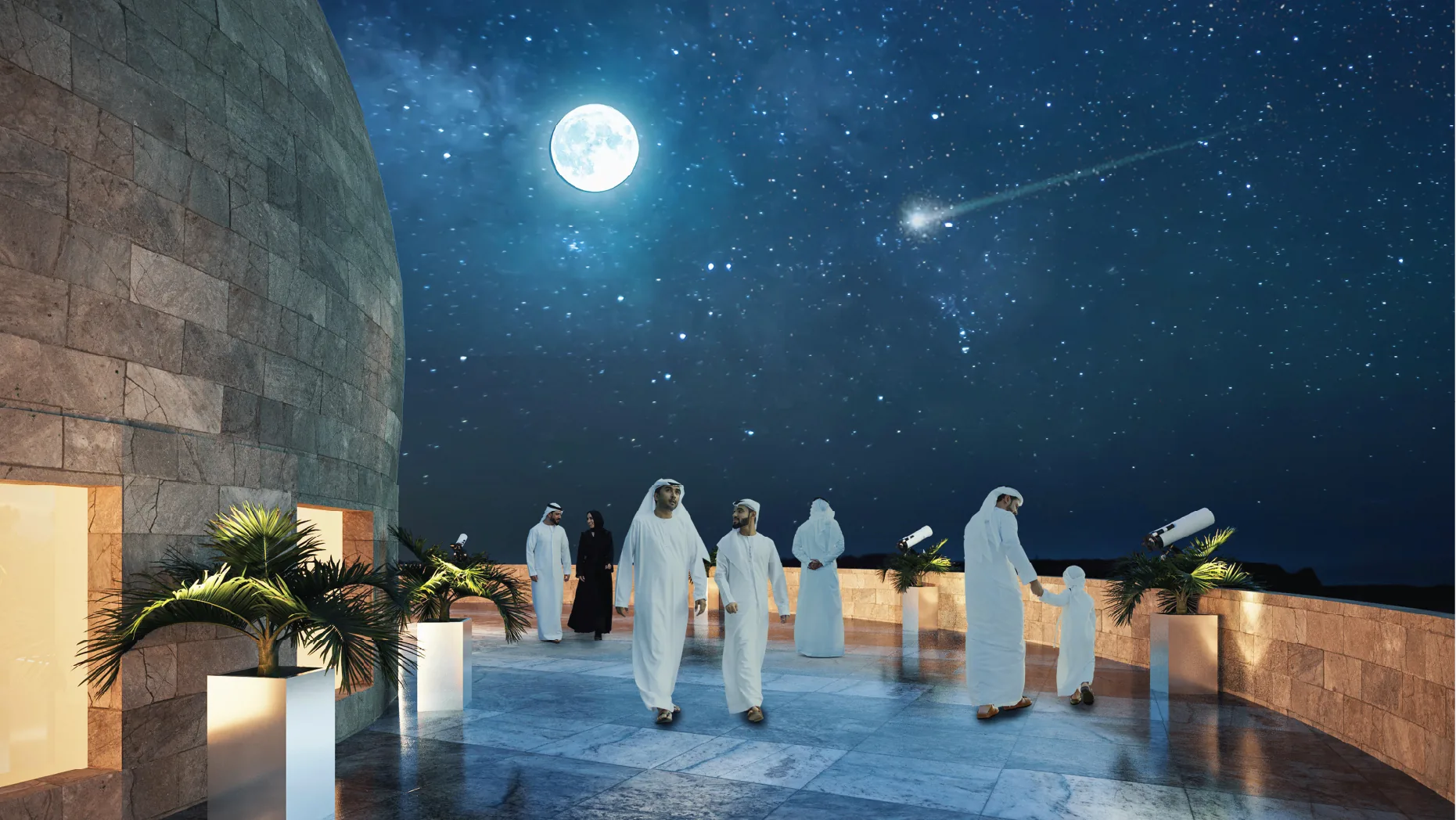
The circular perimeter wall performs as both climatic buffer and symbolic gesture, echoing the celestial geometry the building is built to observe. Local stone, deep window reveals and traditional Najdi perforated screens filter harsh daylight while providing depth and shadow to the facades. At night the architecture recedes and the sky becomes the subject: lighting is deliberately restrained and directed downward to preserve viewing conditions, and open terraces are given over to telescopes and visitor stargazing.